Concrete Coloring vs. Concrete Tinting: Understanding the Differences
People seeking concrete coloring or tinting often want to enhance appearance or add durability, and local service providers can help achieve the desired look effectively.
If you’re exploring options to enhance the appearance of concrete surfaces around your property, understanding the differences between concrete coloring and concrete tinting is an important first step. Both techniques offer ways to add visual interest and customization, but they serve different purposes and achieve unique effects. Property owners in the area often consider these options to improve curb appeal, create a cohesive outdoor aesthetic, or simply refresh existing concrete surfaces. By learning about how each method works and the benefits they provide, you can make more informed decisions about which solution might best suit your project needs.
Local service providers specializing in concrete coloring and tinting can help bring your vision to life with professional expertise tailored to your property. Whether you want a vibrant, uniform color or a subtle, natural hue, these pros can guide you through the process and recommend the right approach for your specific surface and style preferences. Keep reading to discover the key differences between concrete coloring and tinting, and find out how local contractors can assist in achieving the concrete look you desire.
- Concrete coloring services are ideal for property owners seeking vibrant, long-lasting color enhancements that can be customized to match specific design preferences, with local contractors applying specialized stains or dyes. Concrete tinting is often chosen by those wanting subtle color changes or uniform hues, as local service providers typically use tinted sealers or stains to achieve a consistent look. When considering concrete coloring vs. concrete tinting, individuals often consult local pros to determine which method best suits their aesthetic goals and existing concrete conditions. Local contractors approach each project with tailored techniques to ensure the chosen coloring or tinting method enhances durability and visual appeal. Contacting experienced service providers can help clarify the differences and select the most suitable option for a given concrete surface.
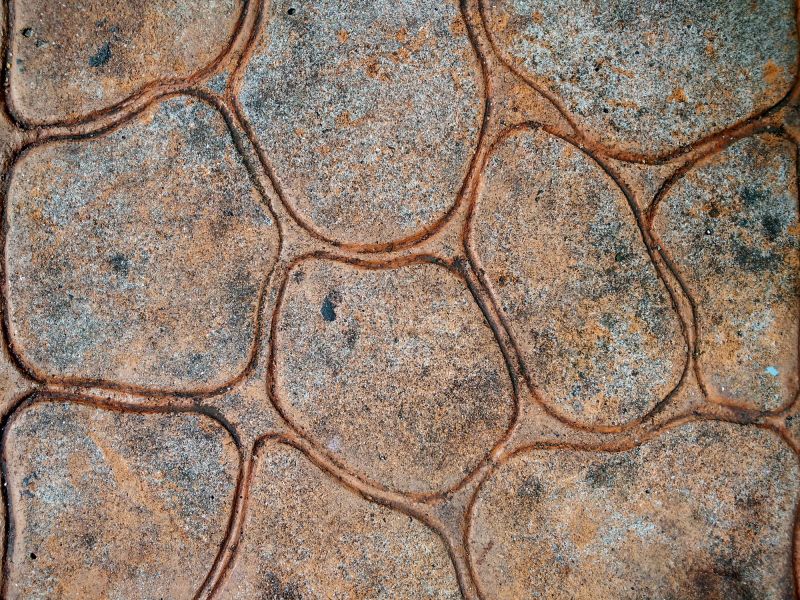
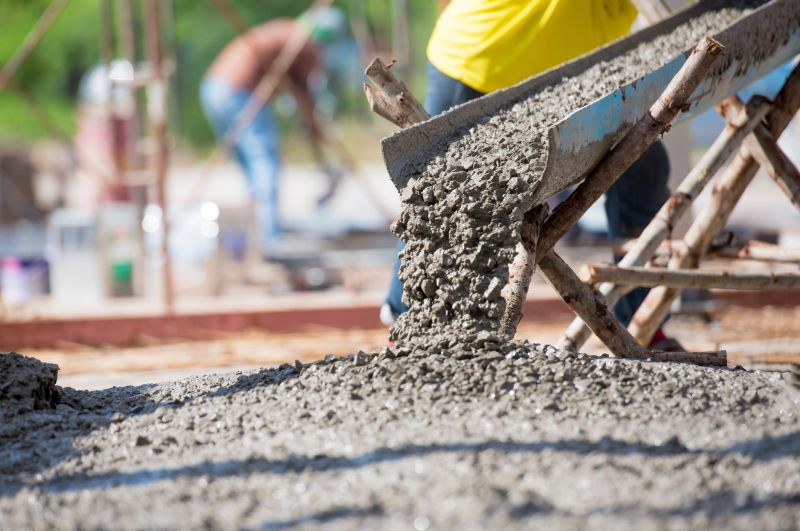

When homeowners explore options for enhancing the appearance of concrete surfaces, they often come across terms like concrete coloring and concrete tinting. These processes are popular choices for adding aesthetic appeal to various concrete projects, such as driveways, patios, walkways, and interior floors. When searching for information, many people are trying to understand the key differences between these methods to determine which one best suits their design goals. The focus is usually on how each technique can change the look of existing concrete or new installations, and how long-lasting or vibrant the results will be. Understanding these distinctions helps homeowners make informed decisions about the best approach for their specific property and style preferences.
Concrete coloring and concrete tinting are related but distinct processes that serve different purposes in decorative concrete applications. Concrete coloring generally involves applying a layer of stain, dye, or pigment to alter the surface’s color. This can include acid stains for earthy tones or water-based dyes for more vibrant shades. On the other hand, concrete tinting typically refers to adding color directly into the concrete mix before pouring or during the finishing process. This method results in a more uniform color throughout the entire slab, making it less susceptible to fading or surface wear over time. The choice between coloring and tinting depends on the desired visual effect, the level of permanence, and the type of concrete project involved.
Many property types come into play when considering concrete coloring vs. concrete tinting: residential homes, commercial buildings, public spaces, and even industrial facilities. For homeowners, these techniques are often used to enhance patios, pool decks, or interior floors, helping to create a customized look that complements their overall design. Commercial property owners might use coloring or tinting to improve curb appeal or to meet branding requirements. Public spaces such as parks or community centers sometimes utilize these decorative methods to add vibrancy and character to large concrete surfaces. Local contractors who specialize in concrete coloring or tinting can assess the specific property, recommend appropriate techniques, and execute the work to achieve the desired aesthetic results.
Choosing between concrete coloring and concrete tinting involves understanding how each method aligns with the project’s goals and the property's conditions. Local service providers can evaluate factors like existing concrete condition, exposure to weather or wear, and the preferred color scheme to recommend the best solution. For example, tinting offers a consistent color throughout the concrete, making it suitable for surfaces that require durability and uniform appearance. Coloring techniques, such as surface stains, can provide a more dynamic, variegated look that enhances decorative appeal. Homeowners and property managers should consider how each approach will perform over time and how it fits with their design vision. Connecting with experienced local contractors helps ensure the chosen method will meet expectations and withstand daily use.
Stamped concrete projects - Skills in coloring and tinting are often applied to stamped concrete to enhance patterns with vibrant or subtle color variations, requiring similar planning and surface preparation.
Concrete patio installations - Local contractors use coloring and tinting techniques to customize outdoor spaces, making them visually appealing and reflective of client preferences.
Garage floor coatings - Applying color or tint to concrete garage floors involves surface prep and finishing skills that overlap with those used in concrete coloring and tinting services.
Interior concrete flooring - Interior projects benefit from coloring or tinting to create unique, durable surfaces, requiring careful surface treatment and application methods comparable to exterior work.
Concrete step and stairway accents - Enhancing steps with color or tint involves similar surface preparation and finishing techniques used in decorative concrete coloring projects.
Driveway resurfacing projects - Local service providers often incorporate coloring or tinting to improve curb appeal, utilizing skills aligned with concrete coloring and tinting expertise.
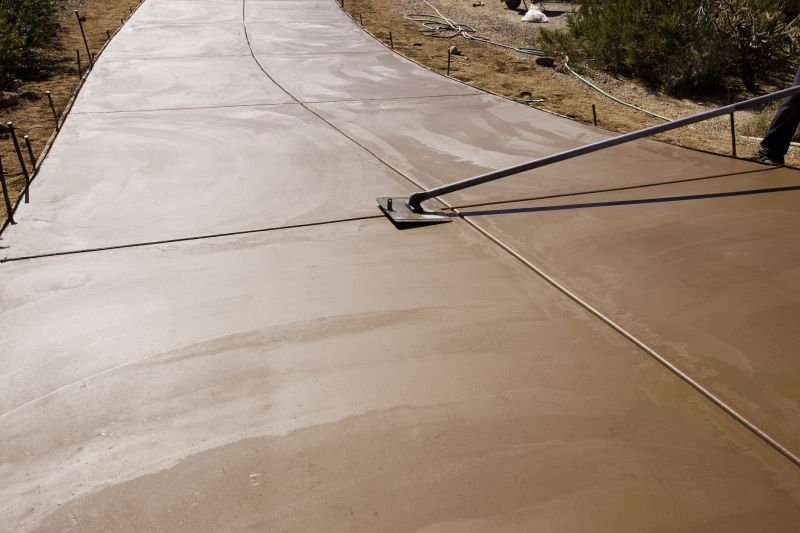
When evaluating service providers for concrete coloring vs. concrete tinting: understanding the differences, it is essential to consider their experience with similar projects. Homeowners should inquire about the contractor’s background in handling decorative concrete finishes, ensuring they have a history of successfully completing projects comparable in scope and style. An experienced local contractor will be familiar with the nuances of both coloring and tinting techniques, helping to achieve the desired aesthetic while maintaining durability. Reviewing previous work or requesting references can provide insight into their expertise and the quality of results delivered, offering confidence that the chosen professional understands the specific requirements of these decorative treatments.
Clear, written expectations are vital when comparing local contractors for concrete coloring or tinting services. Homeowners should seek detailed proposals that outline the scope of work, materials to be used, and the anticipated outcomes. This documentation helps prevent misunderstandings and ensures that both parties are aligned on project goals. Good communication from the service provider is also crucial; a contractor who listens attentively, responds promptly to questions, and explains the process thoroughly can make the experience smoother and more predictable. Establishing these expectations early can lead to a more satisfying finished product that meets the homeowner’s aesthetic preferences and functional needs.
Reputable references and a strong reputation within the community are valuable indicators of a reliable concrete coloring or tinting specialist. Homeowners are encouraged to ask for references or testimonials from previous clients, particularly those who had similar decorative treatments applied. These insights can reveal the contractor’s professionalism, reliability, and ability to deliver on their promises. Additionally, a contractor with a reputation for good communication and transparency can help ensure the project progresses smoothly. By thoroughly researching local service providers and verifying their track record, homeowners can select a professional who is well-equipped to handle the specifics of concrete coloring vs. concrete tinting: understanding the differences, and ultimately achieve a finished result that aligns with their vision.
Property owners often search for concrete coloring vs. concrete tinting: understanding the differences when they are planning practical projects around their homes and businesses. Local pros provide Concrete Coloring or Concrete Tinting services for everyday jobs and straightforward project options.
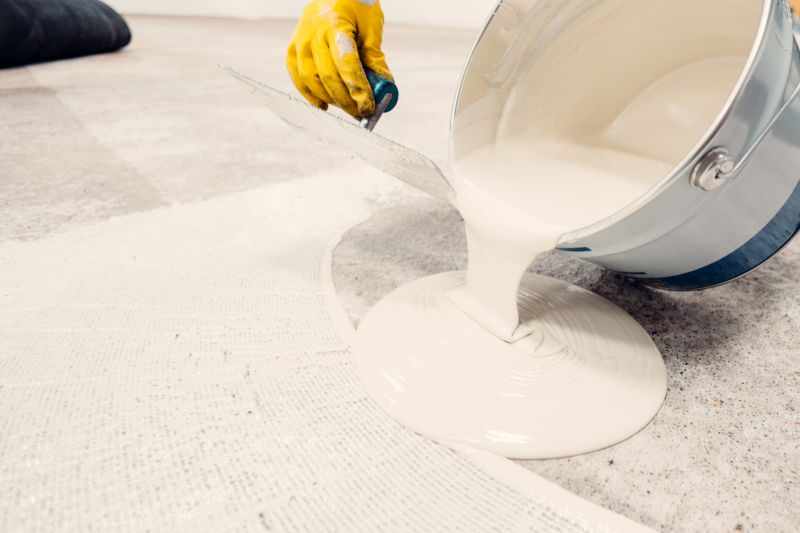

Understanding the differences between concrete coloring and concrete tinting can help property owners make informed choices for enhancing their outdoor spaces. Concrete coloring typically involves applying a pigmented stain or dye to achieve a rich, uniform color across the surface, making it a popular choice for those seeking a bold, consistent look. Conversely, concrete tinting often refers to the addition of color during the mixing process or through surface application, which can provide more subtle or varied color effects. Homeowners considering these options for driveways, patios, or walkways might look up this topic to determine which method aligns best with their aesthetic goals and durability needs.
Local contractors who specialize in concrete finishing can assist property owners in choosing between coloring and tinting based on their specific project requirements. Whether aiming for a vibrant, long-lasting color or a more natural, textured appearance, these service providers can recommend suitable techniques and finishes. Property owners often seek out these services to improve curb appeal, match existing design elements, or simply refresh their outdoor surfaces with a durable, visually appealing solution. Connecting with experienced local pros ensures the right approach is taken to achieve the desired look and longevity for concrete surfaces.
What is the main difference between concrete coloring and concrete tinting? Concrete coloring involves adding pigments to create vibrant, opaque colors, while concrete tinting uses translucent stains to enhance the existing surface with subtle hues. Local contractors can help determine which method suits specific project needs.
Can concrete tinting be applied over existing concrete surfaces? Yes, concrete tinting is typically applied as a stain over existing concrete, providing a transparent color enhancement. Local service providers can assess whether your surface is suitable for tinting or if coloring is a better option.
Are concrete coloring and tinting durable for outdoor use? Both methods can be durable when properly applied, but concrete coloring tends to offer more vibrant, long-lasting color, while tinting may require sealing for protection. Local pros can advise on the best choice based on the environment and usage.
How do the maintenance requirements differ between concrete coloring and tinting? Concrete coloring generally requires sealing to maintain its appearance, while tinting may need periodic reapplication or sealing to keep its color vibrant. Local contractors can provide guidance on upkeep for each method.
Which option provides a more natural look for enhancing concrete surfaces? Concrete tinting offers a more subtle, transparent color that preserves the natural appearance of the concrete, whereas coloring provides more opaque, bold colors. Local pros can help select the best approach for achieving a natural look.
Choosing the right finish for outdoor patios - property owners can explore concrete coloring or tinting options to enhance the appearance of their outdoor living spaces with the help of local service providers.
Customizing driveway aesthetics - local contractors can apply concrete tinting or coloring to create a unique look that complements the home's exterior and personal style.
Adding decorative accents to walkways - property owners might consider concrete coloring or tinting to introduce patterns or color variations that improve curb appeal.
Refreshing existing concrete surfaces - local pros can use coloring or tinting techniques to restore or update the look of worn or faded concrete areas around the property.
If you are thinking about concrete coloring vs. concrete tinting: understanding the differences for a property, this guide is meant to help you understand this topic, the typical project types, and how different options might fit your plans.
When you are ready, you can use the quote form on this page to share a few details about your project. From there, local pros can review the basics and follow up with options that match what you have in mind.